The question of whether the Dubai property market is a bubble in 2026 has become a common topic among investors, homeowners, and people watching global real estate trends. Dubai has historically experienced periods of rapid price growth followed by stabilisation phases, which raises questions about sustainability and long-term value. To determine whether the market is in a bubble, it is important to distinguish between temporary price increases and unsustainable price levels that could lead to sharp declines.
A real estate bubble typically occurs when prices rise far beyond economic fundamentals—such as income levels, rental yields, and demand—driven largely by speculation rather than real use and long-term need. When expectations of future price increases, rather than inherent value, drive buying activity, markets become vulnerable. If the bubble bursts, prices can fall quickly, causing losses for investors and homeowners alike.
In 2026, Dubai’s property sector shows several signs of strong activity, including continued demand and rising prices in many segments. However, the question remains whether these trends are supported by solid economic conditions or inflated by speculation.
Price Growth and Market Fundamentals in 2026
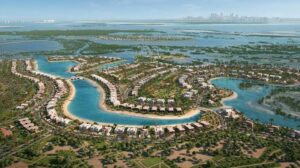
One of the first indicators analysts examine is price versus fundamental value. In a bubble scenario, price increases far outpace factors such as income levels, rental income potential, and economic growth. Dubai has experienced significant price growth over the past few years, particularly in high-demand areas such as waterfront communities, downtown districts, and master-planned developments.
However, price growth alone does not confirm a bubble if it aligns with real demand. In Dubai, several factors support property demand. The city’s population continues to grow due to international mobility, business expansion, and quality of life appeal. Employment opportunities in sectors like tourism, finance, technology, and logistics also attract residents who require housing.
Furthermore, Dubai’s property market includes both owner-occupiers and rental tenants. Strong rental demand provides support for property values because it reflects real use rather than speculation. When a large portion of housing demand is driven by people needing a place to live or work, price stability is more likely than in markets dominated by speculative buying.
Supply and New Project Launches
Another critical aspect is supply dynamics. A rapid influx of new projects without matching demand can create an oversupply situation, which puts downward pressure on prices. Dubai’s real estate landscape includes a mix of ready properties and off-plan projects. Developers continuously launch new communities, but not all areas experience the same level of demand absorption.
Some districts have seen rapid delivery of new units, which could soften price growth temporarily. In contrast, other areas continue to show strong uptake due to location advantages, lifestyle appeal, or infrastructure connectivity. The overall balance between supply and demand is therefore not uniform across the emirate.
In a bubble scenario, supply growth significantly outpaces underlying demand, creating pressure on pricing. In 2026, while some micro-markets face supply pressure, others maintain healthy demand that supports sustained pricing.
Rental Market Performance
Rental yields and occupancy rates are essential indicators of market health. In speculative bubbles, property prices increase without corresponding rental income growth. This disconnect often signals that buyers are purchasing for future price gains rather than current use or income potential.
In Dubai, rental markets have remained active, particularly in areas with strong job markets and expatriate populations. Rental demand helps anchor prices because investors can generate tangible income while holding properties. When rental yields align reasonably with property prices, markets are less likely to be speculative.
Even in prime segments, rental trends in many parts of Dubai have shown resilience. While certain areas may see higher vacancy or slower rent growth, the broader rental market supports ongoing demand.
Buyer Profile and Motivation
The profile of property buyers can also shed light on whether a market is forming a bubble. If prices are driven predominantly by short-term speculators hoping to flip properties for quick gains, risk increases. In a bubble environment, speculative buying becomes the primary driver rather than use-based demand.
Dubai’s buyer base includes a mix of end-users, long-term residents, international investors, and lifestyle buyers. Many investors in the city plan to hold properties for rental income or long-term appreciation rather than rapid resale. End-users seeking homes for living also represent a significant component of demand. This diversified buyer profile suggests that speculation is only one part of the market, rather than the dominant force.
Economic Conditions and External Influences
Economic stability influences real estate markets significantly. Interest rates, employment trends, global capital flows, and geopolitical conditions all play roles. In markets with weak economic fundamentals, price bubbles can form as buyers chase asset price gains in a low-growth environment.
Dubai’s economy, while influenced by global trends, continues to show diversification beyond traditional sectors. Tourism, trade, logistics, finance, and technology sectors contribute to employment growth and housing demand. The city’s position as a global hub for business and travel strengthens its long-term appeal.
That said, global economic uncertainty can affect sentiment and investor behaviour. Rising interest rates, global market volatility, or shifts in capital flows can create temporary price corrections. However, such movements do not necessarily indicate a bubble unless driven by excessive speculation unanchored to real demand.
Market Cycles and Normal Corrections
Real estate markets naturally move through cycles—growth, peak, correction, and recovery. A period of slowing price growth or mild correction is often part of a healthy market cycle and not necessarily evidence of a bubble bursting.
In Dubai, market corrections in specific segments may occur due to supply influx or temporary shifts in demand. These adjustments can provide opportunities for buyers to enter the market at more reasonable prices. Normal corrections help rebalance the market rather than triggering widespread declines.
A true bubble burst would entail a sharp, broad-based drop in prices accompanied by weak demand and declining economic conditions. In 2026, available data does not clearly indicate such a systemic collapse across Dubai’s property market.
Long-Term Outlook and Risk Management
For investors and buyers, evaluating whether the Dubai property market is a bubble in 2026 requires a long-term perspective. Real estate should be assessed based on underlying demand drivers, rental performance, regulatory environment, and economic conditions rather than short-term price swings.
Risk management strategies, such as focusing on properties with strong rental demand, diversified locations, and long-term holding plans, help mitigate potential volatility. Understanding micro-market conditions—where supply, demand, and amenities vary by community—also supports better investment decisions.
Dubai’s real estate market continues to attract diverse buyer profiles, supported by infrastructure development, international mobility, and economic diversification. While caution is always warranted in any investment market, current trends suggest that the Dubai property market is more likely experiencing normal cyclical behaviour rather than an unsustainable bubble.
Conclusion
The question of whether the Dubai property market is a bubble in 2026 is complex and multi-faceted. While price growth has been strong in many segments, it appears to be supported by real demand rather than pure speculation. A healthy rental market, diverse buyer profiles, economic fundamentals, and balanced supply dynamics all contribute to market stability.
Rather than a bubble poised to burst, Dubai’s property sector in 2026 seems to be undergoing normal market cycles with opportunities for growth and occasional moderation in specific areas. Buyers and investors who focus on long-term demand drivers, quality locations, and diversified strategies are more likely to find sustainable value in this evolving real estate landscape.
FAQs
What defines a real estate bubble?
A real estate bubble occurs when property prices rise significantly beyond economic fundamentals, often driven by speculation rather than actual demand.
Is price growth alone an indicator of a bubble?
No. Price growth must be evaluated against income levels, rental yields, demand trends, and economic fundamentals to assess whether it is sustainable.
How do rental markets influence bubble risk?
Strong rental demand and reasonable yields support real use of properties, reducing the likelihood of speculative bubbles.
Can property markets correct without being in a bubble?
Yes. Normal market cycles include periods of price moderation as supply and demand rebalance.
Should buyers be cautious in the Dubai market?
Caution is always prudent, but long-term investors who focus on fundamentals rather than short-term price swings are better positioned for sustainable outcomes.
About The Author