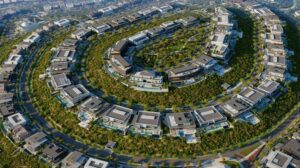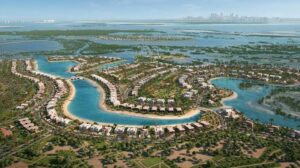
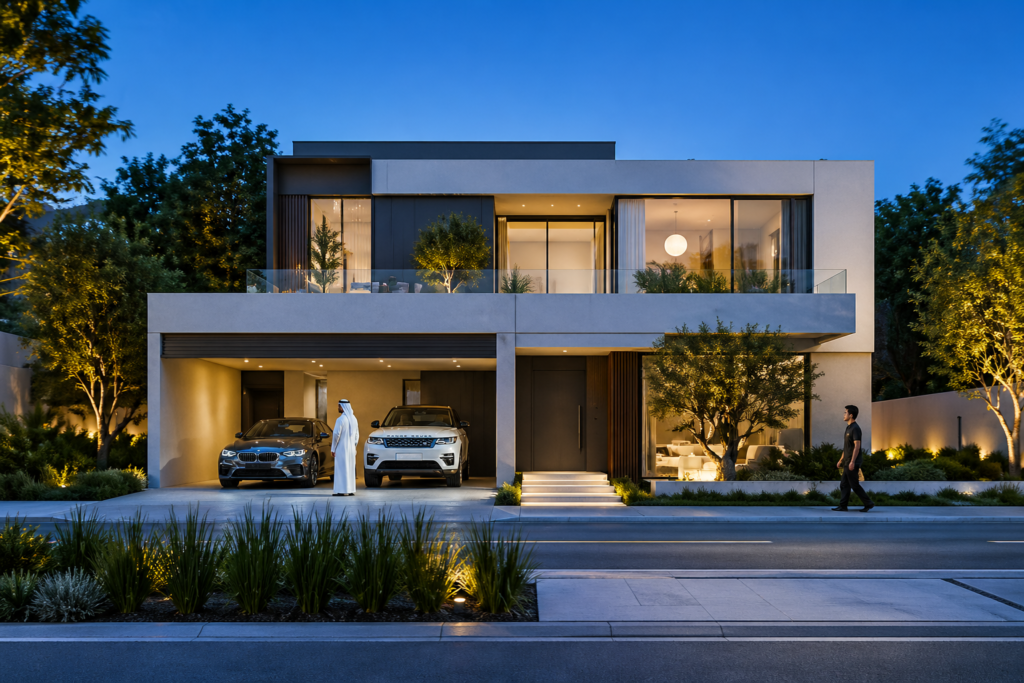
Masaar 2 Sedra is positioned as a villa-focused community targeting affordability and lifestyle within Sharjah, developed by Arada Developments. Compared to Dubai assets, the pricing is significantly lower, which immediately changes the investment equation.
For investors, the core question is whether masaar 2 sedra delivers superior ROI through yield and entry price advantage, or if its location limits long-term appreciation.
How Sharjah’s residential market is behaving right now
Sharjah’s real estate market has evolved from an end-user-driven segment to a hybrid investor market. Lower property price Dubai alternatives are pushing investors toward Sharjah for affordability-driven ROI.
Communities like Masaar benefit from planned infrastructure and lifestyle positioning, but they still operate within a price-sensitive market.
This creates stable demand but limits aggressive price escalation compared to Dubai.
Where masaar 2 sedra’s pricing creates opportunity
The villas typically range between AED 1.2M and AED 2.5M depending on size and configuration. Price per square foot generally falls between AED 700–1,100.
This is significantly lower than Dubai villa pricing, creating an entry advantage. Transaction costs are also lower, typically adding 4–6% to total acquisition cost.
For investors, this lower base price reduces capital exposure and improves potential ROI margins.
masaar 2 sedra rental yield vs cost efficiency
Rental yield for masaar 2 sedra is expected to range between 6% and 8% gross. Net yields, after expenses, typically settle between 5% and 6.5%.
Rental income Dubai comparisons show Sharjah yields are higher due to lower acquisition cost. However, rental growth tends to be slower due to affordability constraints.
This creates a high-yield but moderate-growth investment profile.
Demand depth and tenant affordability dynamics
Demand is driven by middle-income families and professionals seeking affordable villa living. This ensures steady occupancy but limits rental escalation.
Unlike Dubai luxury segments, demand here is broad but highly price-sensitive. This reduces volatility but caps upside potential.
For investors, this translates into consistent cash flow with limited rental spikes.
A realistic investor scenario
Consider an investor purchasing a villa at AED 1.5M. At a 7% gross rental yield, annual rental income would be AED 105K.
After maintenance and vacancy adjustments, net income may reduce to AED 85K, resulting in an effective yield of around 5.7%.
If capital appreciation averages 3–5% annually, total ROI could reach 8–11%. If appreciation drops below 2%, returns rely heavily on rental income.
How masaar 2 sedra compares to Dubai alternatives
Compared to Dubai South, masaar 2 sedra offers higher rental yield but lower appreciation potential.
Compared to Jumeirah Village Circle, it provides similar or higher yields but lacks the same level of liquidity and international demand.
This positions masaar 2 sedra as a yield-focused investment rather than a growth-focused asset.
Who this investment aligns with
Masaar 2 sedra is suitable for investors seeking strong rental yield with lower capital entry. It also fits buyers prioritizing affordability and long-term occupancy.
Investors targeting high capital appreciation or premium asset growth may find Dubai-based projects more aligned with their goals.
Risks that directly affect returns
The primary risk is limited appreciation potential due to location. Sharjah does not experience the same level of price acceleration as Dubai.
Liquidity risk is also relevant. Resale demand is more localized, which can extend exit timelines.
Rental stagnation is another factor, as affordability constraints limit how much rents can increase over time.
Strategic investment interpretation
Masaar 2 sedra should be treated as a cash-flow-driven asset. The investment thesis relies on consistent rental income rather than speculative appreciation.
For portfolio construction, it can balance lower-yield Dubai assets by providing steady income.
Investors should align expectations with income generation rather than capital gains.
Final verdict on masaar 2 sedra investment
Masaar 2 sedra offers strong rental yield and low entry price, making it attractive for income-focused investors. However, appreciation potential remains limited compared to Dubai markets.
For investors prioritizing stable cash flow and lower capital exposure, it is a viable option. For those seeking higher growth or global liquidity, alternative markets may provide better returns.
The project works best as a yield-focused allocation within a diversified real estate portfolio.
FAQs
- Is masaar 2 sedra a good investment in Sharjah?
It offers strong rental yield with lower entry price. Appreciation potential is moderate. - What rental yield can investors expect?
Gross yields range between 6% and 8%. Net yields typically settle around 5% to 6.5%. - Are masaar 2 sedra prices competitive?
Yes, pricing is significantly lower than Dubai. This creates an entry advantage. - How does it compare to Dubai investments?
It offers higher yield but lower appreciation. Dubai assets provide stronger capital growth. - Is this project suitable for rental income investors?
Yes, it is designed for steady rental income. Yield is one of its main strengths. - What is the main ROI driver here?
Rental income is the primary contributor. Capital appreciation plays a secondary role. - What are the key risks involved?
Limited appreciation, lower liquidity, and rental stagnation are main risks. - Is financing viable for this investment?
Yes, lower price improves financing feasibility. Returns depend on interest rates. - Who should invest in masaar 2 sedra?
Income-focused investors and budget-conscious buyers benefit the most. - Can masaar 2 sedra deliver strong appreciation?
Moderate appreciation is possible. High growth is unlikely compared to Dubai markets.
About The Author