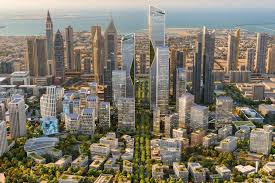

Dubai remains one of the most attractive global destinations for property investment, and 2026 continues this momentum with strong buyer interest across residential segments. From high-rise apartments to waterfront villas, investors are increasingly exploring how to build property portfolios using mortgage financing. Buying multiple properties in Dubai using mortgages in 2026 is a strategy adopted by both first-time investors and experienced buyers seeking to expand their holdings while preserving capital.
With structured lending systems, transparent ownership laws, and steady rental demand, Dubai offers a supportive environment for leveraged property investment. However, success depends on understanding how multiple mortgages work, managing affordability, and selecting properties that align with long-term financial goals.
How Mortgage Financing Supports Portfolio Growth
Mortgage financing allows investors to acquire properties without paying the full purchase price upfront. Instead, buyers contribute a down payment and repay the remaining amount over an agreed period. When applied strategically, this approach enables investors to spread capital across several assets rather than concentrating it in a single property.
In Dubai, banks typically finance ready properties and selected off-plan projects. Once the first mortgage is established, buyers may apply for additional loans to purchase further units, subject to income eligibility and debt limits. Many investors in 2026 use this structure to balance immediate rental income with future capital appreciation.
The key advantage of this approach is leverage. By using bank financing, buyers can access higher-value assets while keeping liquidity available for future opportunities or expenses.
What Banks Consider When Approving Multiple Mortgages
When applying for more than one mortgage, lenders in Dubai evaluate the borrower’s overall financial profile rather than each purchase in isolation. Monthly income, existing loan commitments, credit history, and employment stability all play central roles.
Banks also calculate a borrower’s debt burden ratio, which limits how much of monthly income can go toward repayments. This threshold determines how many properties a buyer can realistically finance. Rental income from existing properties may be partially included, but lenders usually apply conservative assumptions to ensure affordability even during vacancy periods.
Age at loan maturity is another factor. Mortgages typically must be fully repaid before a certain age, which can affect loan tenure and monthly installments.
Strategies for Buying Multiple Properties in 2026
Investors adopt different strategies depending on their objectives. Some focus on purchasing smaller apartments in high-demand rental areas, aiming to generate consistent cash flow. Others combine apartments with townhouses or villas to diversify income sources and target long-term appreciation.
Another common approach is phased acquisition. Buyers purchase one property, allow it to generate rental income or build equity, and then use improved financial standing to acquire additional units. This gradual method reduces pressure on cash flow and allows investors to adapt to market conditions.
In 2026, off-plan projects also play a role in multi-property strategies. Developers often offer flexible payment plans, enabling investors to commit to future properties while managing current mortgage obligations.
Choosing Properties That Support Mortgage Repayments
Property selection is critical when building a leveraged portfolio. Areas with strong tenant demand, completed infrastructure, and nearby amenities tend to offer more stable rental performance. Locations such as Business Bay, Dubai Marina, Jumeirah Village Circle, Dubai Hills Estate, and emerging coastal districts continue to attract both residents and investors.
Buyers also consider service charges, building quality, and community facilities, as these factors directly affect net rental returns. For townhouses and villas, proximity to schools, parks, and retail centers influences occupancy levels.
In 2026, investors increasingly prioritize properties that offer a balance between rental yield and future resale potential rather than focusing on price alone.
Managing Cash Flow Across Multiple Mortgages
Cash flow management becomes more complex with each additional property. Mortgage installments, service charges, maintenance costs, and vacancy periods must all be factored into monthly planning. Successful investors maintain financial buffers to cover repayments during periods without rental income.
Many choose fixed or hybrid mortgage rates to stabilize monthly obligations, especially when holding several loans simultaneously. Regularly reviewing mortgage terms and refinancing when favorable options arise can also improve long-term affordability.
Professional property management services help streamline operations by handling tenant placement, rent collection, and maintenance, particularly for investors living outside Dubai.
Costs Beyond the Purchase Price
While Dubai does not impose annual property taxes, buyers still face transaction-related expenses. These include registration fees, brokerage commissions, mortgage processing charges, and valuation costs. Each additional property comes with its own set of fees, which should be included in investment projections.
Ongoing costs such as service charges and general upkeep also impact returns. Planning for these expenses ensures mortgage commitments remain sustainable over time.
Outlook for Multi-Property Investors in Dubai
Dubai’s long-term outlook in 2026 is supported by population growth, expanding infrastructure, and continuous demand from international buyers. Government initiatives aimed at attracting professionals and entrepreneurs contribute to housing demand across different segments.
For investors using mortgages to acquire multiple properties, the market offers opportunities for portfolio growth, provided decisions are guided by realistic financial planning and disciplined risk management. The focus remains on selecting quality assets, maintaining manageable leverage, and aligning purchases with clear investment objectives.
Buying multiple properties in Dubai using mortgages in 2026 can be an effective way to build wealth, as long as each acquisition is approached with careful analysis and a long-term perspective.
Can first-time buyers purchase multiple properties with mortgages in Dubai?
Yes, first-time buyers can purchase more than one property using mortgages, as long as they meet income requirements and remain within bank-approved affordability limits.
Do banks finance off-plan properties for multiple purchases?
Some banks offer financing for off-plan properties, usually after construction reaches a certain stage. Terms vary by lender and project.
Is it possible to refinance existing properties to buy new ones?
Yes, refinancing or releasing equity from an existing property may help fund down payments for additional purchases, subject to bank approval.
How many properties can one person finance in Dubai?
There is no fixed limit, but the number depends on income, existing liabilities, and bank policies.
Should investors use separate banks for multiple mortgages?
Some investors choose different banks to access varied terms, while others prefer a single lender for easier management. Both approaches depend on individual financial strategy.
About The Author