
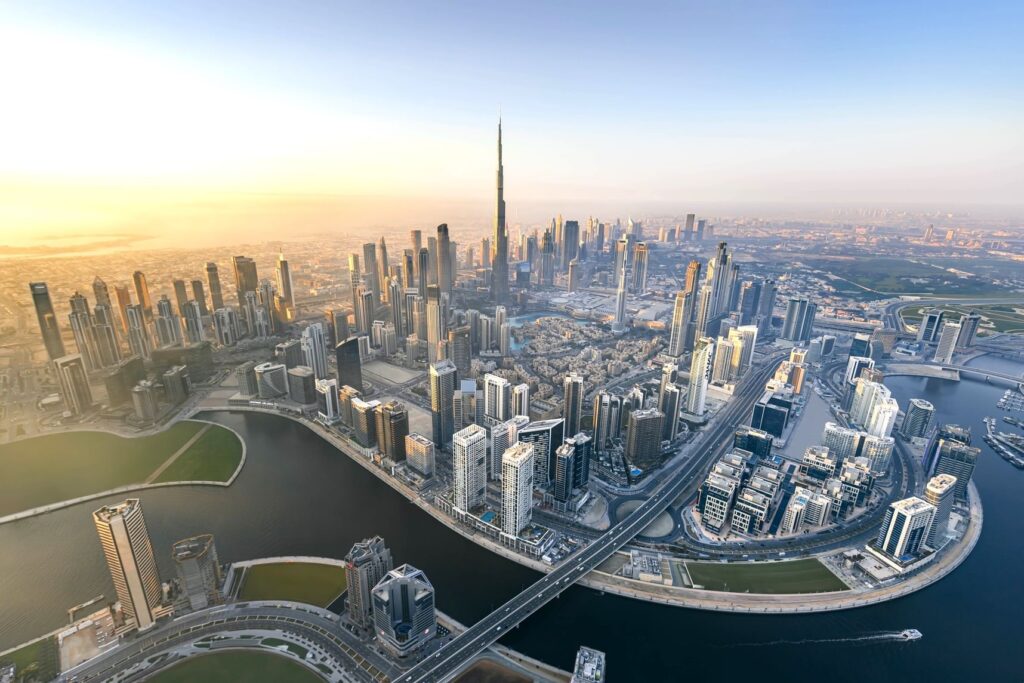
Dubai has become one of the world’s most attractive real estate destinations, offering opportunities for investors, homeowners, and businesses alike. Over the past two decades, the city has transformed from a regional commercial hub into a global destination known for its modern infrastructure, business-friendly environment, and diverse property market. Today, real estate in Dubai attracts buyers from Europe, Asia, the Middle East, Africa, and North America who are looking for long-term capital appreciation, rental income, or a second home in one of the fastest-growing cities in the world.
The Dubai property market offers something for nearly every type of buyer. First-time investors can find affordable apartments in emerging communities, while experienced investors have access to premium waterfront residences, branded developments, and commercial assets. Families relocating to the UAE can choose from master-planned communities with schools, parks, healthcare facilities, and retail centers, while entrepreneurs often invest in properties close to business districts to benefit from growing demand.
One of the key reasons behind Dubai’s popularity is its transparent real estate regulations. Government authorities have introduced measures to improve buyer confidence, regulate developers, and simplify property transactions. Combined with ongoing infrastructure development, economic diversification, and population growth, these factors continue to support long-term demand across the residential property sector.
Why Dubai Continues to Attract Property Investors
Dubai’s appeal extends beyond impressive architecture and modern developments. Investors are primarily attracted by the city’s economic fundamentals and long-term growth potential.
Unlike many international property markets, Dubai does not impose annual property taxes on residential real estate. This allows investors to retain a larger share of their rental income and can improve long-term investment returns. In addition, the emirate has established itself as a global business hub, attracting multinational companies, entrepreneurs, and skilled professionals who contribute to sustained housing demand.
Population growth is another important driver of the property market. As more professionals and families relocate to Dubai for employment and business opportunities, demand for quality housing continues to increase across established and emerging communities. Tourism also plays a significant role by supporting the short-term rental market and increasing demand for serviced apartments and holiday homes.
Government initiatives, including long-term residency programs and continued investment in transport, healthcare, education, and public infrastructure, further strengthen Dubai’s position as a preferred destination for international property investment.
Understanding the Dubai Property Market
Dubai offers one of the most diverse property markets in the Middle East. Buyers can choose from apartments, villas, townhouses, penthouses, branded residences, and commercial properties across a wide range of price points.
The market is broadly divided into two categories: ready properties and off-plan developments. Ready properties are completed units that can be occupied or rented immediately, while off-plan properties are purchased directly from developers before construction is completed.
Off-plan developments have gained significant popularity because they often offer attractive payment plans and lower entry prices. However, buyers should evaluate the developer’s reputation, project timeline, and market demand before making a purchase. Ready properties, on the other hand, provide immediate rental income and allow buyers to assess the finished building and surrounding community before investing.
Popular Property Types in Dubai
Apartments remain the most widely traded residential properties in Dubai. They appeal to investors seeking rental income as well as professionals and couples looking for centrally located homes. Apartments are available in almost every major community, from affordable developments in Jumeirah Village Circle to premium residences in Downtown Dubai and Dubai Marina.
Townhouses have become increasingly popular among families looking for additional living space without the higher costs associated with detached villas. These properties are commonly found in master-planned communities such as Arabian Ranches, Dubai Hills Estate, and DAMAC Hills.
Villas continue to attract families and long-term residents who value privacy, outdoor space, and larger floor plans. Demand for villas has remained strong in recent years due to changing lifestyle preferences and the growing number of families relocating to Dubai.
Luxury properties, including waterfront villas and branded residences, cater to high-net-worth individuals seeking exclusive locations and premium services. Communities such as Palm Jumeirah and Emirates Hills remain among the city’s most prestigious residential destinations.
Best Areas to Buy Real Estate in Dubai
Location plays a crucial role in determining property value, rental demand, and future appreciation. Each community offers different advantages depending on the buyer’s objectives.
Downtown Dubai remains one of the city’s most sought-after districts due to its central location, iconic landmarks, and strong demand from both residents and tourists. Properties here generally command premium prices but also benefit from consistent resale demand.
Dubai Marina is popular among professionals and international buyers looking for waterfront living with convenient access to restaurants, retail outlets, and public transport. The area’s established rental market makes it particularly attractive to investors seeking stable rental income.
Business Bay has evolved into one of Dubai’s major mixed-use districts. Its proximity to Downtown Dubai, growing commercial sector, and expanding residential inventory continue to attract both end-users and investors.
Dubai Hills Estate has emerged as one of the city’s leading family-oriented communities. Its combination of residential developments, schools, healthcare facilities, green spaces, and retail options makes it attractive to buyers planning long-term occupancy.
Jumeirah Village Circle (JVC) remains one of Dubai’s fastest-growing residential communities. Lower entry prices and competitive rental yields have made it particularly appealing to investors looking to maximize rental returns.
Dubai South continues to attract attention due to its proximity to Al Maktoum International Airport and Expo City Dubai. Ongoing infrastructure development and employment growth are expected to support long-term housing demand in this area.
Property Prices in Dubai
Property prices vary considerably depending on location, developer reputation, property size, and available amenities. Entry-level apartments in emerging communities generally offer more affordable price points, while waterfront and central business districts command premium values.
Although prices have increased in many communities over recent years, Dubai continues to remain competitive compared to several major international cities. Investors should focus on overall value rather than simply selecting the lowest purchase price. Factors such as rental demand, future infrastructure projects, community maturity, and maintenance costs often have a greater impact on long-term investment performance.
Rental Income and Investment Potential
One of Dubai’s strongest investment advantages is its rental market. The city’s growing population, expanding business environment, and international workforce create consistent demand for residential properties across different price segments.
Communities such as Dubai Marina, Business Bay, Jumeirah Village Circle, and Dubai Hills Estate have historically demonstrated strong rental demand due to their strategic locations and established infrastructure.
Before purchasing an investment property, buyers should calculate expected rental income after deducting service charges, maintenance expenses, property management fees, and potential vacancy periods. Evaluating net returns rather than gross rental income provides a more realistic picture of long-term profitability.
Investors should also consider future supply within the selected community. Large numbers of new project launches may influence rental rates and resale values over time. Understanding local market dynamics is therefore essential before making an investment decision.
Factors to Consider Before Buying Property
Purchasing real estate involves more than comparing asking prices. Buyers should carefully evaluate the developer’s reputation, construction quality, community facilities, transportation links, and long-term development plans.
Schools, healthcare facilities, shopping centers, parks, and public transport all contribute to the attractiveness of a residential community. Properties located near major employment centers often experience stronger rental demand due to shorter commuting times.
Potential buyers should also understand ongoing ownership costs, including service charges, maintenance expenses, insurance, and financing costs where applicable. These recurring expenses directly affect investment returns and should be included in financial planning.
Risks Every Investor Should Understand
Although Dubai offers attractive investment opportunities, every property purchase involves some level of risk. Market prices may fluctuate due to economic conditions, changes in supply and demand, or shifts in investor sentiment. Off-plan developments may experience construction delays, while completed properties can face temporary vacancy periods that affect rental income.
Investors should avoid making decisions based solely on short-term market trends. Conducting detailed research, diversifying investments where possible, and selecting properties in well-established communities can help reduce overall investment risk.
Future Outlook for Dubai Real Estate
Dubai’s long-term outlook remains positive due to continued population growth, economic diversification, infrastructure investment, and increasing international demand. Government initiatives aimed at attracting global talent and foreign investment continue to strengthen the city’s position as a leading real estate market.
Emerging communities are expected to benefit from ongoing infrastructure expansion, while established districts are likely to maintain strong demand due to their mature amenities and limited premium inventory. As the city continues to develop, investors who prioritize location quality, developer credibility, and long-term fundamentals are likely to be better positioned for sustainable returns.
Conclusion
Real estate in Dubai offers opportunities for a wide range of buyers, from first-time investors and homeowners to experienced international investors seeking portfolio diversification. The city’s transparent regulatory framework, expanding economy, modern infrastructure, and diverse residential communities continue to support long-term demand across the property market.
Successful property investment, however, requires careful planning. Buyers should evaluate community fundamentals, understand ongoing ownership costs, compare financing options, and assess long-term rental demand before making a purchase. By focusing on quality locations, reputable developers, and realistic financial expectations, investors can make informed decisions that align with their personal and investment objectives.
Whether you are searching for an affordable apartment, a family villa, a waterfront residence, or an income-generating investment property, Dubai’s real estate market provides a broad range of opportunities suited to different budgets and investment strategies. Careful research and a long-term perspective remain the foundation of successful property ownership in one of the world’s most dynamic real estate markets.
Frequently Asked Questions
1. Is Dubai real estate a good investment in 2026?
Dubai continues to be one of the most attractive real estate markets for local and international investors due to its tax-efficient environment, growing population, strong rental demand, and ongoing infrastructure development. Investment potential varies by community, property type, and market conditions, so buyers should evaluate location, expected rental yield, and long-term appreciation before purchasing.
2. Can foreigners buy property in Dubai?
Yes. Foreign nationals can purchase freehold properties in designated areas of Dubai. These properties allow buyers to own the property outright and, in many cases, sell, lease, or pass it on through inheritance, subject to applicable UAE laws and regulations.
3. Which are the best areas to buy real estate in Dubai?
The best location depends on your investment goals and budget. Popular communities include Downtown Dubai, Dubai Marina, Business Bay, Dubai Hills Estate, Palm Jumeirah, Jumeirah Village Circle (JVC), Dubai Creek Harbour, and Dubai South. Each area offers different advantages in terms of rental demand, capital appreciation, and lifestyle.
4. Should I buy an off-plan or ready property in Dubai?
Off-plan properties often offer flexible payment plans and the potential for capital appreciation before handover, making them attractive to long-term investors. Ready properties, on the other hand, provide immediate possession and rental income. The right choice depends on your investment strategy, budget, and preferred holding period.
5. What additional costs should I consider when buying property in Dubai?
In addition to the property’s purchase price, buyers should budget for expenses such as Dubai Land Department (DLD) registration fees, agency commissions (where applicable), service charges, maintenance costs, mortgage-related fees (if financing is used), and property management expenses for rental properties. Factoring in these costs provides a more accurate picture of the total investment.
About The Author
