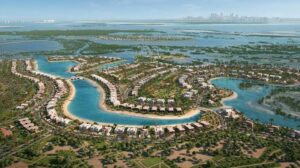
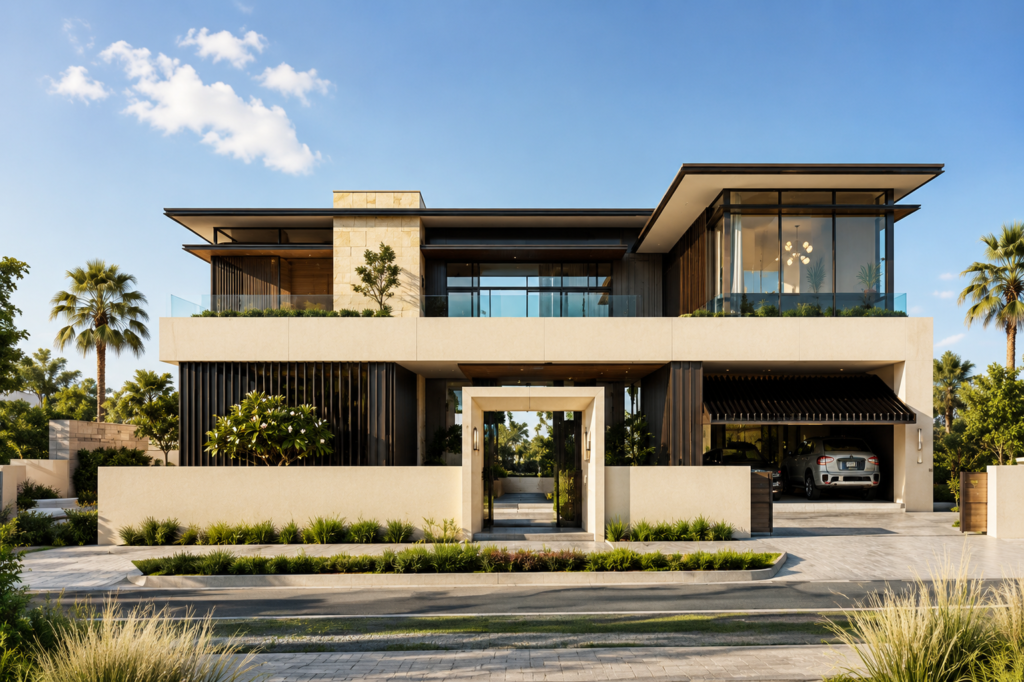
Modon Properties is not operating with the same development model seen across many speculative UAE launches. The company’s strategy is increasingly centered on master-planned coastal assets, low-density luxury positioning, and infrastructure-led appreciation rather than rapid inventory turnover.
That distinction matters because the UAE real estate market is becoming more selective. Investors are no longer chasing every off-plan launch equally. Capital is shifting toward developers capable of controlling supply quality, preserving pricing power, and creating communities with long-term scarcity value.
For investors evaluating modon properties as part of a broader Dubai or Abu Dhabi portfolio strategy, the core question is not simply whether projects will sell. The more important issue is whether the assets can maintain premium positioning without suffering from oversupply pressure five to ten years from now.
How Modon Properties Fits Into Abu Dhabi’s Current Growth Cycle
Abu Dhabi’s residential market has entered a different phase compared with the aggressive expansion seen in Dubai over recent years. Supply growth remains more measured, particularly in premium coastal communities.
This environment benefits developers like Modon Properties because pricing discipline is easier to maintain when inventory release remains controlled. Several Dubai districts have experienced yield compression due to rapid luxury supply expansion, while Abu Dhabi’s premium segment still operates with tighter market balance.
Projects tied to strategic waterfront infrastructure, wellness districts, and government-backed urban development plans are attracting stronger institutional interest. That gives Modon an advantage because many of its communities are integrated into long-term city planning rather than isolated speculative towers.
The investment implication is important. Long-duration assets typically perform better when surrounding infrastructure expansion is coordinated instead of reactive.
Why Modon Properties Maintains Pricing Power in Premium Segments
Modon Properties operates primarily in high-value coastal and destination-driven communities where land scarcity supports long-term appreciation potential.
Unlike mid-market apartment developments competing on affordability, Modon projects rely on exclusivity, controlled density, and strategic location positioning. This creates stronger pricing resilience during slower market conditions because premium buyers are less sensitive to short-term financing cycles.
Property price Dubai inflation has pushed many investors toward Abu Dhabi alternatives where premium inventory remains comparatively undervalued relative to infrastructure quality. Modon benefits directly from this rotation of capital.
However, investors should recognize the trade-off. Higher entry pricing limits immediate rental yield efficiency and reduces the size of the buyer pool during weaker market phases.
This is fundamentally a capital appreciation strategy first and a cash-flow strategy second.
What Realistic ROI Expectations Actually Look Like
Investors approaching modon properties expecting high rental yield property UAE performance may misunderstand the developer’s core market positioning.
Luxury villas and premium waterfront assets generally produce lower percentage rental yields because acquisition prices rise faster than achievable rents. Realistic gross yields across many premium Modon communities could range between 3.5% and 5.5%, depending on asset type and location.
Net ROI after service costs, maintenance, and vacancy allowances may settle closer to 3% to 4.5%.
At first glance, those numbers appear weaker than several off-plan investment Dubai apartment communities. Yet institutional investors often accept lower annual yield in exchange for stronger land value preservation and long-term appreciation probability.
That distinction separates income-driven investing from wealth preservation investing.
The Demand Drivers Supporting Modon’s Long-Term Strategy
The strongest demand advantage for Modon Properties comes from buyer profile quality rather than transaction volume.
Its communities are increasingly attracting high-net-worth end-users, regional family offices, and international capital seeking politically stable coastal assets within the UAE. That creates a more resilient ownership structure because end-user demand is less volatile than speculative investor demand.
Projects positioned around sports infrastructure, waterfront living, wellness districts, and tourism ecosystems also benefit from multi-layered demand channels.
This matters because communities dependent entirely on short-term investor flipping often experience sharper pricing corrections during slower cycles.
Modon’s approach appears intentionally structured to avoid that dynamic.
A Practical Investment Scenario Based on Current Market Conditions
Consider an investor allocating AED 12 million into a premium Modon villa with a seven- to ten-year holding horizon.
Annual rental income may realistically range between AED 450,000 and AED 580,000 depending on location quality and asset configuration. After operating costs, landscaping, service charges, and periodic maintenance reserves, net annual returns could settle near AED 360,000 to AED 430,000.
Those returns alone are not extraordinary by UAE standards. The stronger investment thesis depends on whether premium Abu Dhabi waterfront land continues appreciating as global wealth migrates into the region.
If long-term supply remains constrained, appreciation may ultimately outperform several higher-yield but lower-quality residential segments.
Where Modon Properties Stands Against Competing Developers
Compared with mass-market developers, Modon Properties operates with greater emphasis on destination planning and land positioning.
Against premium Dubai developers, Modon currently benefits from lower speculative saturation. Several luxury Dubai zones have already experienced aggressive price expansion, while Abu Dhabi’s coastal premium segment remains earlier in its growth cycle.
Compared with developers focused heavily on apartment inventory, Modon’s low-density approach may create stronger long-term pricing resilience. The trade-off is lower short-term liquidity because ultra-premium assets naturally attract fewer buyers.
For investors prioritizing best property investment in Dubai alternatives, Modon presents a more defensive allocation strategy.
Which Investor Profile Aligns Best With Modon Projects
Modon Properties is best suited for investors focused on capital preservation, long-term appreciation, and premium asset diversification.
Family offices, regional wealth holders, and buyers seeking strategic waterfront exposure are likely the strongest fit. End-users planning long occupancy horizons may also gain value because lifestyle utility offsets lower rental efficiency.
Short-term traders and high-yield-focused investors may find stronger cash-flow opportunities elsewhere in the UAE market.
The developer’s positioning rewards patience more than rapid turnover.
The Risks Investors Should Not Ignore
Liquidity remains the primary consideration. Premium villa assets and coastal estates require a narrower buyer profile, particularly during periods of slower global economic growth.
Pricing sensitivity also increases at higher acquisition levels. Even moderate market corrections can temporarily reduce transaction activity in ultra-premium segments.
Another factor is yield compression. As property values rise, rental growth may not keep pace proportionally, reducing effective ROI over time.
Investors should also monitor future luxury supply pipelines carefully. Scarcity remains valuable only if supply discipline continues.
Why Timing Matters More Than Hype in Premium Real Estate
The strongest investment argument for Modon Properties may be timing rather than current rental performance.
Abu Dhabi’s luxury residential market still sits earlier in its maturity cycle compared with several globally recognized Dubai coastal districts. Investors entering before full international pricing convergence could benefit if the emirate continues attracting long-term wealth migration.
At the same time, premium markets tend to move slower than mid-market residential segments. Investors expecting rapid appreciation may underestimate holding-period requirements.
This is not momentum investing. It is strategic asset positioning.
Final Investment Perspective on Modon Properties
Modon Properties appears increasingly positioned as a long-duration premium developer focused on scarcity-backed appreciation rather than volume-driven sales velocity.
Its projects are unlikely to generate the UAE’s highest rental yields. Their strength lies in controlled supply exposure, waterfront land positioning, and alignment with Abu Dhabi’s broader urban expansion strategy.
For investors prioritizing rental income Dubai alternatives with maximum cash flow efficiency, other developers may offer stronger short-term returns. For buyers focused on defensive wealth allocation, long-term appreciation potential, and premium real estate exposure, Modon represents a strategically credible option within the UAE market.
FAQs
– Is modon properties a strong option for long-term investors?
The developer is better suited for long-duration appreciation strategies than short-term speculative investment or aggressive rental-yield targeting.
– How do Modon Properties projects compare with Dubai luxury communities?
Many Modon communities currently offer lower speculative saturation while maintaining premium coastal positioning and infrastructure quality.
– Are Modon Properties developments focused on rental income?
Their projects prioritize land value appreciation and scarcity-driven pricing more than maximizing annual rental yield percentages.
– What type of buyers are typically attracted to Modon projects?
High-net-worth end-users, regional family offices, and investors seeking premium waterfront exposure form the primary buyer base.
– Can Modon Properties deliver strong capital appreciation over time?
Potentially, especially if Abu Dhabi’s premium coastal market continues maturing and international wealth inflows remain stable.
– What is the main investment risk with Modon Properties assets?
Liquidity can become slower during market downturns because ultra-premium real estate naturally attracts a narrower buyer pool.
– Are payment plans competitive compared with other UAE developers?
Flexible payment structures improve capital management, although the projects still require substantial long-term financial commitment.
– Why are Modon communities considered scarcity-driven investments?
Many developments occupy limited waterfront land where future large-scale supply expansion remains structurally constrained.
– Do Modon Properties projects outperform mid-market communities on yield?
Premium villas generally produce lower percentage yields because acquisition prices increase faster than achievable annual rents.
– Who should seriously consider investing with Modon Properties?
Investors prioritizing wealth preservation, premium land exposure, and long-term appreciation potential are the strongest strategic fit.
About The Author